 Edusklolera
The Future of Science Education: Exploring the Virtual Biology Lab
Teknologi | 2026-04-19 16:17:50The landscape of modern education is shifting rapidly, moving away from traditional chalkboard methods toward immersive, technology-driven experiences. One of the most significant breakthroughs in this evolution is the Virtual Biology Lab, a digital environment that allows students and researchers to conduct complex biological experiments without the physical constraints of a traditional laboratory.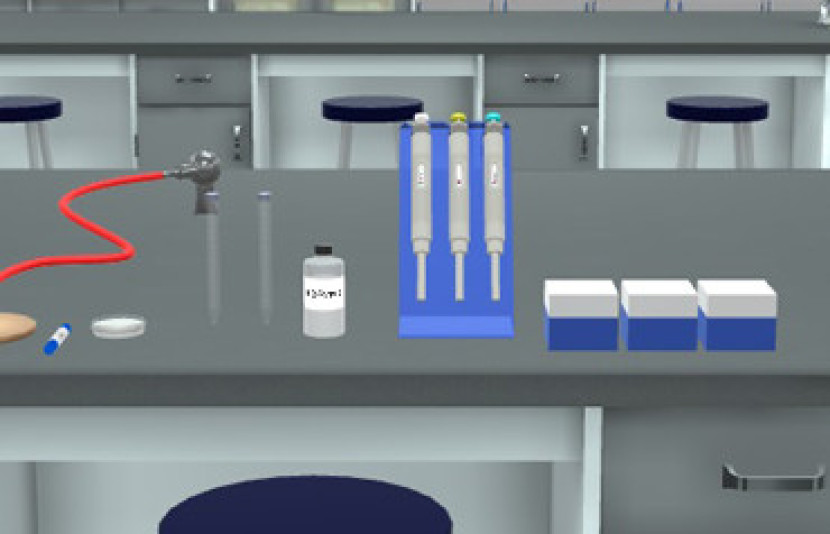
Breaking the Barriers of Traditional Science
For years, science education faced hurdles such as high equipment costs, safety concerns, and the limited availability of rare specimens. A Virtual Biology Lab removes these obstacles by providing a risk-free, cost-effective platform. In this digital space, students can perform genetic sequencing, explore cellular structures, or simulate ecological changes with a click of a button.
The beauty of these platforms lies in their flexibility. Unlike a physical lab that closes at the end of the school day, a Virtual Lab is accessible 2024/7, allowing learners to repeat experiments as many times as necessary to master a concept.
A Multidisciplinary Approach to Learning
While biology focuses on living organisms, the scientific world is deeply interconnected. Many modern platforms recognize this by offering a suite of specialized environments. For instance, a student studying biochemistry might jump from a biology simulation to a Virtual Chemistry Lab to understand the molecular interactions driving biological processes.
This integration is further enhanced by Interactive Chemistry Simulations, which provide visual representations of reactions that are often invisible to the naked eye. By visualizing these micro-level interactions, students develop a much deeper intuition for how life works at a chemical level.
Key Benefits of Virtual Labs
- Safety First: Students can handle "hazardous" chemicals or pathogens without any real-world risk.
- Instant Feedback: Virtual platforms provide real-time data and guidance, helping students correct mistakes immediately.
- Accessibility: Educational institutions with limited budgets can provide world-class lab experiences to their students.
- Engagement: Gamified elements and 3D visuals keep students motivated and curious.
Conclusion
The rise of the Virtual Biology Lab is not just a trend; it is a fundamental shift in how we approach STEM education. By blending high-level technology with rigorous scientific curriculum, these platforms are preparing the next generation of scientists for the challenges of the future. Whether it is exploring the intricacies of DNA or simulating complex chemical reactions, virtual environments are making science more inclusive, engaging, and effective than ever before.
Disclaimer
Retizen adalah Blog Republika Netizen untuk menyampaikan gagasan, informasi, dan pemikiran terkait berbagai hal. Semua pengisi Blog Retizen atau Retizener bertanggung jawab penuh atas isi, foto, gambar, video, dan grafik yang dibuat dan dipublished di Blog Retizen. Retizener dalam menulis konten harus memenuhi kaidah dan hukum yang berlaku (UU Pers, UU ITE, dan KUHP). Konten yang ditulis juga harus memenuhi prinsip Jurnalistik meliputi faktual, valid, verifikasi, cek dan ricek serta kredibel.