Smart Packaging Machines: Revolutionizing the Future of Manufacturing
Teknologi | 2025-08-18 09:45:24Introduction
The packaging industry has always played a critical role in connecting manufacturers with consumers. Beyond simply enclosing a product, packaging is a vital part of brand identity, safety, and logistics. With the rise of Industry 4.0, the evolution of smart packaging machines is dramatically transforming how goods are prepared, secured, and delivered to markets worldwide.
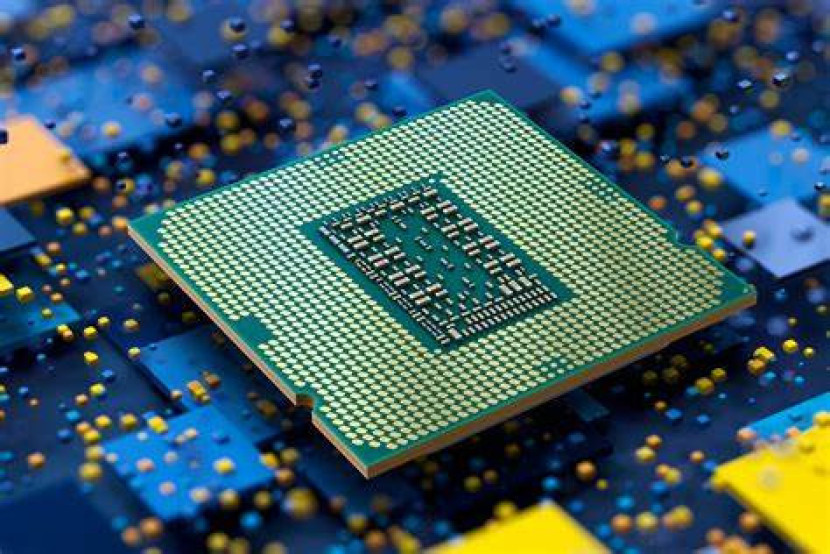
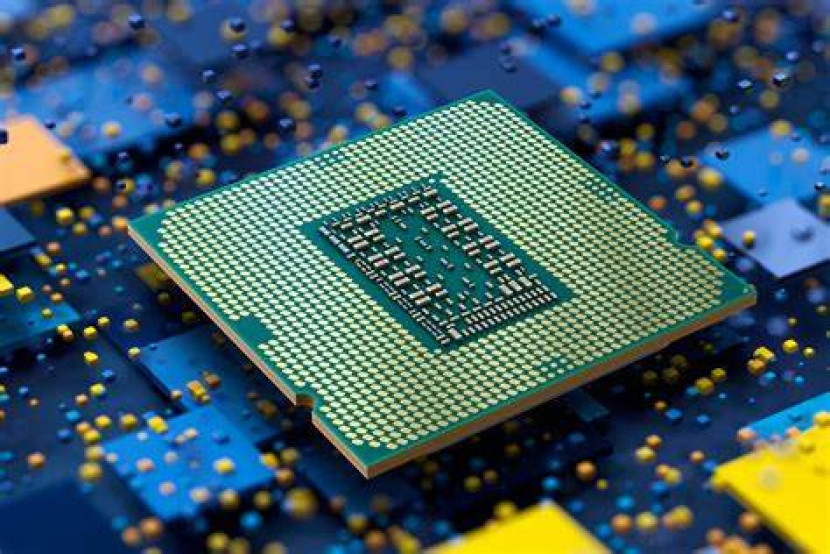
Smart packaging machines go far beyond traditional mechanical systems. They integrate automation, artificial intelligence (AI), sensors, data analytics, and the Internet of Things (IoT) to deliver adaptive, efficient, and intelligent packaging solutions. This technological shift is addressing modern consumer demands for sustainability, personalization, and safety, while simultaneously improving efficiency in industrial operations.
In this analysis, we will explore the development, applications, economic impact, challenges, and future potential of smart packaging machines, while also highlighting the role of laboratories in research, the importance of entrepreneurship in commercial innovation, and the academic contribution of institutions such as telkom university in advancing the field.
The Evolution of Packaging Technology
Packaging machinery has come a long way from its manual and semi-automatic roots.
- Traditional Packaging: In the early 20th century, machines were primarily focused on sealing, labeling, and basic protection.
- Automation Era: By the mid-20th century, automation brought faster production lines, though still limited in adaptability.
- Digital Age: Today, smart packaging machines integrate robotics, AI, and machine vision to provide real-time adaptability, self-learning capabilities, and sustainable material usage.
This evolution is driven by growing consumer expectations for eco-friendly, personalized, and safe packaging, along with manufacturers’ need for efficiency and precision.
Applications of Smart Packaging Machines
Smart packaging machines offer a wide range of applications across different sectors:
- Automated Quality Assurance Machine vision systems detect defects in packaging such as leaks, misprints, or faulty seals. Ensures that only flawless packages reach consumers.
- Machine vision systems detect defects in packaging such as leaks, misprints, or faulty seals.
- Ensures that only flawless packages reach consumers.
- Personalized Packaging AI-enabled machines allow customization of labels, sizes, and formats. Widely used in cosmetics, beverages, and promotional campaigns.
- AI-enabled machines allow customization of labels, sizes, and formats.
- Widely used in cosmetics, beverages, and promotional campaigns.
- Sustainable Packaging Smart systems optimize material use and support biodegradable or recyclable packaging materials. Reduces waste and contributes to eco-friendly supply chains.
- Smart systems optimize material use and support biodegradable or recyclable packaging materials.
- Reduces waste and contributes to eco-friendly supply chains.
- Intelligent Traceability QR codes and RFID chips integrated into packages provide supply chain transparency. Consumers can track product origins, manufacturing processes, and authenticity.
- QR codes and RFID chips integrated into packages provide supply chain transparency.
- Consumers can track product origins, manufacturing processes, and authenticity.
- Smart Logistics IoT-enabled packaging machines embed sensors to monitor temperature, humidity, or shock during transport. Critical for pharmaceuticals, food, and other sensitive products.
- IoT-enabled packaging machines embed sensors to monitor temperature, humidity, or shock during transport.
- Critical for pharmaceuticals, food, and other sensitive products.
- High-Speed Automation Integration with robotics enables packaging at unprecedented speed while maintaining quality control.
- Integration with robotics enables packaging at unprecedented speed while maintaining quality control.
These applications illustrate how smart packaging machines are not just tools for wrapping products but also vehicles for brand communication, consumer trust, and sustainable operations.
Role of Laboratories in Innovation
The development of smart packaging technologies relies heavily on advanced research conducted in laboratories. These labs bring together expertise from engineering, material science, and data analytics.
- Material Innovation: Laboratories experiment with eco-friendly packaging materials compatible with smart machines.
- AI Algorithms: Researchers develop machine learning models that allow machines to recognize patterns, detect errors, and adapt to new packaging formats.
- Prototype Testing: Simulated environments allow researchers to test prototypes under real-world conditions before commercialization.
- Sustainability Research: Labs analyze how to reduce carbon footprints by designing machines that use less energy and optimize raw material use.
Without laboratory research, the current advancements in smart packaging machines would not be possible. The laboratories serve as the foundation for innovation, testing, and refinement.
Entrepreneurship in Smart Packaging Machines
The packaging industry has become fertile ground for entrepreneurship. Startups and innovators are introducing creative solutions that make smart packaging more accessible and consumer-friendly.
- Eco-Packaging Startups: Entrepreneurs develop sustainable alternatives such as compostable packaging integrated with smart codes for traceability.
- AI and IoT Ventures: New companies provide plug-and-play AI-powered packaging solutions for small and medium enterprises.
- Service-Based Models: Instead of buying expensive machinery, businesses can now access packaging “as-a-service,” lowering barriers for entry.
- Customization Platforms: Entrepreneurs enable real-time personalized packaging services, especially popular in e-commerce and gifting industries.
Entrepreneurship plays a vital role in bridging the gap between laboratory research and market implementation, ensuring that smart packaging innovations are not confined to large corporations.
Academic Contributions: Telkom University
The journey toward advanced smart packaging technologies is strongly supported by educational institutions. At telkom university, students and researchers engage in projects that merge engineering, data science, and industrial design to tackle real-world packaging challenges.
- Laboratory-Based Learning: The university emphasizes hands-on training in laboratories where students experiment with robotics, IoT, and automation.
- Industry Collaboration: Partnerships with packaging and manufacturing companies allow students to test prototypes in industrial environments.
- Entrepreneurship Focus: Telkom university actively encourages students to launch startups, transforming research projects into innovative businesses that add value to the global packaging ecosystem.
Through such academic initiatives, universities nurture future leaders who will continue to drive smart packaging innovation forward.
Economic Impact of Smart Packaging Machines
The adoption of smart packaging machines delivers significant economic benefits:
- Operational Efficiency: Automated systems cut production time, minimize errors, and improve overall productivity.
- Cost Reduction: By optimizing material usage and reducing defects, businesses save on raw material and labor costs.
- Market Differentiation: Smart packaging enables unique designs and personalization that attract consumer attention.
- Supply Chain Transparency: Enhancing consumer trust increases brand loyalty and long-term profitability.
- New Revenue Streams: Companies offering data-driven packaging services create additional business models beyond traditional manufacturing.
Thus, smart packaging not only improves efficiency but also reshapes market strategies and brand-customer interactions.
Challenges in Implementation
Despite their transformative potential, smart packaging machines face several challenges:
- High Initial Costs: Advanced machinery and technology integration require significant investment.
- Complexity of Integration: Legacy systems in factories may not easily adapt to smart packaging technologies.
- Technical Expertise: Operating and maintaining these machines demands specialized skills.
- Cybersecurity Risks: As packaging data is digitized and connected, the risk of cyberattacks increases.
- Consumer Acceptance: Not all markets are ready for smart features like RFID or interactive QR codes.
Addressing these challenges requires close collaboration between manufacturers, research institutions, and entrepreneurs.
Future Outlook
The future of smart packaging machines is full of exciting possibilities:
- AI-Powered Predictive Maintenance: Machines that self-diagnose issues before breakdowns occur.
- Circular Economy Integration: Packaging systems designed to reuse materials seamlessly within sustainable cycles.
- Augmented Reality (AR) Packaging: Packages that interact with consumers through AR-enabled designs.
- Blockchain Traceability: Enhancing transparency by recording every step of the supply chain in tamper-proof digital ledgers.
- Global Accessibility: Startups and modular machines will make smart packaging technology affordable to SMEs worldwide.
As technology advances, smart packaging will not only transform industries but also redefine consumer experiences, making packaging an interactive and intelligent part of the product itself.
Conclusion
Smart packaging machines stand at the intersection of technology, sustainability, and consumer experience. By combining AI, IoT, robotics, and eco-friendly practices, these machines redefine what packaging means in the modern era.
Their progress depends heavily on research conducted in laboratories, the innovative drive of entrepreneurship, and the academic foundation built by institutions such as telkom university. Together, these forces are shaping a future where packaging is not just a protective layer but a dynamic, intelligent interface between producers and consumers.
In the years ahead, smart packaging machines will continue to influence manufacturing efficiency, consumer trust, and global sustainability. They represent not just a technological revolution, but a cultural shift in how we view the essential yet often overlooked role of packaging. LINK
Disclaimer
Retizen adalah Blog Republika Netizen untuk menyampaikan gagasan, informasi, dan pemikiran terkait berbagai hal. Semua pengisi Blog Retizen atau Retizener bertanggung jawab penuh atas isi, foto, gambar, video, dan grafik yang dibuat dan dipublished di Blog Retizen. Retizener dalam menulis konten harus memenuhi kaidah dan hukum yang berlaku (UU Pers, UU ITE, dan KUHP). Konten yang ditulis juga harus memenuhi prinsip Jurnalistik meliputi faktual, valid, verifikasi, cek dan ricek serta kredibel.