 aqilla muallifana
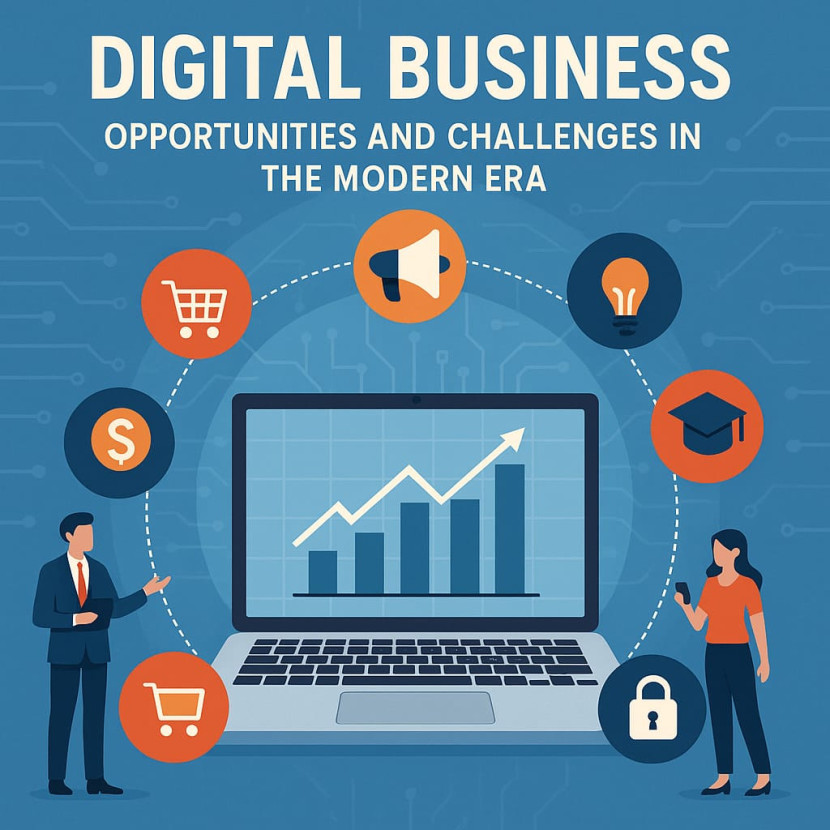
Digital Business: Opportunities and Challenges in the Modern Era
Bisnis | 2025-06-25 03:21:29In today’s digital age, almost every part of human life is quickly changing. One of the biggest shifts is happening in the business sector. Digital business has become the foundation of both global and domestic economic growth. As information and communication technology improves, many companies have moved from traditional models to more dynamic and expansive digital platforms.
This article will examine digital business in detail, focusing on its definition, types, advantages, challenges, and opportunities available for entrepreneurs in Indonesia and around the world.
What is Digital Business?
Digital business involves business models that depend on digital technology and the internet as the core of their operations and strategies. Unlike traditional businesses, which rely on physical stores and in-person interactions, digital businesses operate through online platforms such as websites, apps, social media, and marketplaces.
Digital business isn’t just about selling products online; it also includes using digital marketing, technology-based customer service, and data management and analytics for better decision-making.
Types of Digital Business
Digital business is diverse and continues to change with technological improvements. Here are some common types:
1. E-Commerce
E-commerce involves selling products or services online. Examples include online stores and marketplaces like Tokopedia, Shopee, and Bukalapak. E-commerce allows consumers to shop conveniently from home with flexible payment and delivery options.
2. Marketplace
A marketplace is a platform that connects sellers and buyers without owning the products. Marketplaces typically earn commissions from transactions that take place on their platforms.
3. Digital Marketing
Digital marketing uses channels like SEO (Search Engine Optimization), paid ads (PPC), social media, email marketing, and digital content to effectively reach and influence audiences.
4. Technology Start-ups
Technology start-ups create innovative products or services using the latest technologies, such as mobile apps, software, or AI (Artificial Intelligence) solutions.
5. Online Education (Edtech)
Online education platforms offer courses, training, and learning materials digitally. Examples include Ruangguru and Zenius, which provide flexible learning without requiring physical attendance.
6. Fintech
Fintech provides digital financial services including online payments, peer-to-peer lending, digital investments, and banking services that simplify financial transactions.
7. Telemedicine
Telemedicine allows for online doctor consultations and healthcare services, increasing access and quality, especially in remote areas.
8. Subscription Model
This model offers periodic access to content or services, such as music and video streaming platforms or premium app features.
9. Affiliate Marketing
Affiliate marketing involves earning commissions by promoting other people’s products or services through affiliate links.
Advantages of Digital Business
Digital business provides several benefits that traditional businesses may find hard to achieve:
Wide Market Reach: The internet allows businesses to connect with customers worldwide without geographical limits.
Lower Operational Costs: Digital businesses do not need physical stores, which saves on rent and operational costs.
Flexibility in Time and Place: Businesses can operate anytime and anywhere there is internet access.
Real-Time Data and Analytics: Digital technology enables real-time collection of customer data for more effective marketing strategies.
Personalized Customer Interaction: Social media and digital customer service foster closer and more responsive relationships with customers.
Scalability: Digital businesses can easily expand without significant investments in physical infrastructure.
Challenges in Digital Business
Despite its potential, digital business encounters several challenges that entrepreneurs must be ready for:
1. Cybersecurity
Threats like hacking, data theft, and online fraud are major concerns. Businesses must implement strong security systems to protect customer and business data.
2. Intense Competition
Low barriers to entry lead to many newcomers entering the market, increasing competition. Businesses must continuously innovate and add value to remain competitive.
3. Rapid Technological Changes
Technology evolves quickly, requiring businesses to keep up with trends and adjust to prevent falling behind.
4. Infrastructure Limitations
In some areas, uneven internet access hinders the development of digital business, especially in rural regions.
5. Regulations and Compliance
Digital businesses need to follow evolving regulations related to data protection, digital taxes, and consumer rights.
Digital Business Opportunities in Indonesia
Indonesia offers a highly promising market for digital business. With more people gaining internet access, opportunities are expanding. Some major opportunities include:
Digitalization of MSMEs: The government and institutions are encouraging micro, small, and medium enterprises (MSMEs) to adopt digital technologies to compete globally.
Creative Economy: Digital-based creative sectors such as content creation, game development, and graphic design are thriving.
Niche Digital Services: Specialized applications for health, education, and finance tailored to local needs.
Collaboration with Emerging Technologies: Using AI, blockchain, and IoT (Internet of Things) opens pathways for innovative products and services.
Digital Export: Digital products like apps, content, and consulting services can be exported internationally without physical constraints.
Tips for Starting a Digital Business
If you want to start a digital business, consider these tips:
Understand Your Market and Target Customers: Conduct market research to uncover needs and preferences.
Choose the Right Business Model: Match your digital business type with your skills and resources.
Build a User-Friendly Digital Platform: Make sure your website or app is easy to use and visually appealing.
Leverage Digital Marketing: Use digital marketing strategies to effectively reach your audience.
Focus on Customer Experience: Provide responsive and personalized service to build loyalty.
Keep Learning and Innovating: Stay updated on technology trends and business innovations.
Pay Attention to Legal and Security Aspects: Ensure compliance with regulations and safeguard customer data.
Conclusion
Digital business is shaping the future of both the global and Indonesian economies. With benefits like wide market reach, cost savings, and operational flexibility, digital business presents excellent opportunities for anyone looking to start a venture today. However, challenges like cybersecurity and intense competition call for well-thought-out strategies.
Entrepreneurs who can adjust, innovate, and use technology effectively will thrive in the digital business space. So, don’t hesitate to begin exploring the vast opportunities that digital business provides.
Disclaimer
Retizen adalah Blog Republika Netizen untuk menyampaikan gagasan, informasi, dan pemikiran terkait berbagai hal. Semua pengisi Blog Retizen atau Retizener bertanggung jawab penuh atas isi, foto, gambar, video, dan grafik yang dibuat dan dipublished di Blog Retizen. Retizener dalam menulis konten harus memenuhi kaidah dan hukum yang berlaku (UU Pers, UU ITE, dan KUHP). Konten yang ditulis juga harus memenuhi prinsip Jurnalistik meliputi faktual, valid, verifikasi, cek dan ricek serta kredibel.