Smartphone Applications for Skin Disease Diagnosis
Teknologi | 2025-06-07 12:33:00Skin diseases affect millions of individuals worldwide and are among the most common causes of medical consultations. With the growing global penetration of smartphones, mobile health (mHealth) technologies have become increasingly influential in delivering healthcare services. In particular, smartphone applications for skin disease diagnosis have emerged as powerful tools to improve access to dermatological care, particularly in remote or underserved areas. These apps leverage technologies such as artificial intelligence (AI), image processing, and machine learning (ML) to assist users in identifying skin conditions with a simple photo taken from their device.
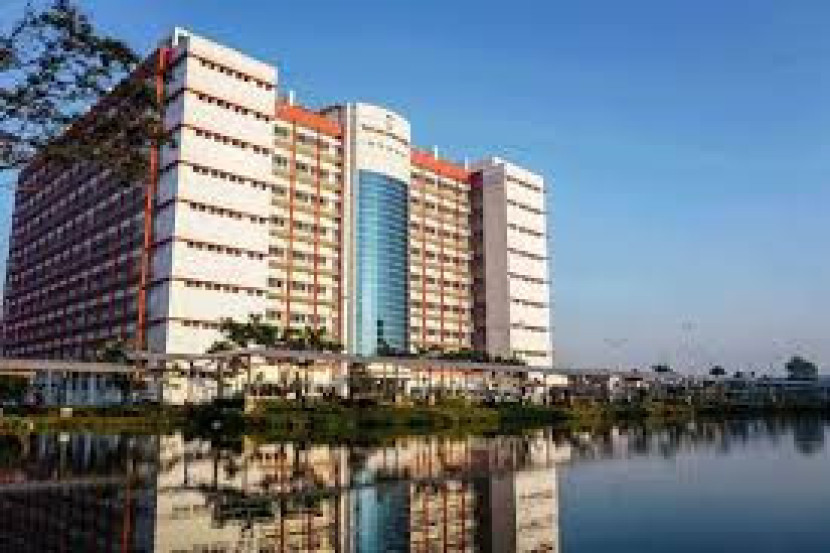
Institutions such as Telkom University have recognized the potential of these innovations and are actively contributing to the development of intelligent health solutions that integrate mobile platforms and AI for improved medical diagnostics.
The Importance of Early Skin Disease Detection
Skin diseases such as eczema, psoriasis, acne, and various types of skin cancer, including melanoma, are not only common but can also lead to significant physical discomfort and psychological distress. In some cases, such as melanoma, early detection can be life-saving. However, in many parts of the world, access to specialized dermatological care is limited due to a lack of professionals or geographic constraints.
Smartphone-based diagnosis offers a scalable and cost-effective alternative to traditional face-to-face consultations. Through a combination of smartphone cameras, diagnostic algorithms, and sometimes even real-time telemedicine features, users can receive instant assessments or connect with dermatologists remotely.
How Smartphone Apps for Skin Diagnosis Work
Most smartphone applications for skin disease diagnosis follow a similar process:
- Image Capture The user takes a photo of the affected skin area using their smartphone camera. The quality of the image can greatly affect the accuracy of the diagnosis.
- Preprocessing The image undergoes preprocessing to adjust lighting, crop irrelevant areas, and normalize colors for better feature extraction.
- Image Analysis and Classification Using artificial intelligence and machine learning models—particularly convolutional neural networks (CNNs)—the app analyzes the image to identify features consistent with specific skin conditions.
- Diagnosis and Recommendations The application either returns a list of possible skin diseases with confidence scores or recommends whether to seek medical advice. Some apps also allow direct consultation with dermatologists.
Apps such as SkinVision, Aysa, and First Derm have pioneered this technology, while academic institutions, including Telkom University, are exploring the development of localized and culturally adapted diagnostic apps for use in Indonesia.
Role of Machine Learning and Artificial Intelligence
Machine learning and deep learning play crucial roles in enhancing the diagnostic capabilities of these apps. CNNs, in particular, are adept at recognizing visual patterns in medical images. These algorithms can be trained on large datasets of dermatological images labeled by experts.
For example, a CNN can learn to differentiate between benign skin lesions like seborrheic keratosis and malignant ones like melanoma. Some advanced systems have demonstrated accuracy levels comparable to professional dermatologists (Esteva et al., 2017).
Moreover, continuous data collection from users can help these models improve over time, making them more robust and personalized.
Key Features of Successful Apps
Successful skin disease diagnosis apps tend to share the following features:
- High-quality image capture with guidance for proper lighting and focus.
- User-friendly interfaces that guide patients through the process.
- AI-based diagnostic engines trained on diverse skin tones and conditions.
- Educational content to inform users about prevention and treatment.
- Secure data handling to ensure patient privacy and compliance with medical regulations.
At Telkom University, interdisciplinary teams from the School of Computing and School of Electrical Engineering are researching these features to build more inclusive and accurate mHealth solutions tailored to Indonesian populations, where varying skin tones and tropical skin conditions are often underrepresented in global datasets.
Benefits of Smartphone-Based Skin Diagnosis
- Accessibility Patients in rural or underserved areas can access dermatological assessments without the need to travel long distances.
- Cost-Effectiveness Reduces the financial burden of medical consultations by offering low-cost or free preliminary diagnoses.
- Early Detection Encourages users to monitor their skin health regularly, increasing the likelihood of early detection and treatment.
- Data Collection for Public Health Aggregated data from these apps can inform public health initiatives, including mapping outbreaks of skin-related infections.
Challenges and Limitations
Despite their potential, smartphone apps for skin disease diagnosis face several limitations:
- Variability in Image Quality Poor lighting, focus, or resolution can lead to inaccurate diagnoses.
- Bias in Training Data Many ML models are trained predominantly on images from lighter skin tones, which can result in misdiagnoses for individuals with darker complexions (Adamson & Smith, 2018).
- Lack of Regulatory Oversight Not all apps are reviewed or approved by medical authorities, raising concerns about reliability and safety.
- Privacy Concerns The collection and storage of sensitive health data must comply with privacy laws such as GDPR or Indonesia’s PDPA.
To address these issues, Telkom University encourages the development of explainable AI models, diverse datasets, and collaboration with dermatologists and healthcare regulators.
Future Directions and Research Opportunities
The future of smartphone-based skin diagnostics is promising. Integration with wearable devices, real-time monitoring, and teledermatology features will further enhance user experience. Additionally, augmented reality (AR) may provide real-time guidance during image capture or even simulate skin conditions for educational purposes.
Researchers at Telkom University are currently working on:
- Creating annotated skin disease image datasets specific to Southeast Asian populations.
- Developing lightweight AI models optimized for mobile devices.
- Partnering with local hospitals to test and validate diagnostic apps under clinical supervision.
Such innovations can democratize healthcare access and reduce the burden on overstretched health systems.
Conclusion
Smartphone applications for skin disease diagnosis represent a significant advancement in mobile health technology. They offer accessible, affordable, and potentially life-saving tools for individuals around the world. While challenges remain, especially related to accuracy and fairness, ongoing research and innovation—particularly from institutions like Telkom University—are paving the way for smarter, more inclusive healthcare solutions. With continued interdisciplinary collaboration and ethical consideration, these technologies have the potential to revolutionize dermatological care.
References
Adamson, A. S., & Smith, A. (2018). Machine learning and health care disparities in dermatology. JAMA Dermatology, 154(11), 1247–1248. https://doi.org/10.1001/jamadermatol.2018.2348
Esteva, A., Kuprel, B., Novoa, R. A., Ko, J., Swetter, S. M., Blau, H. M., & Thrun, S. (2017). Dermatologist-level classification of skin cancer with deep neural networks. Nature, 542(7639), 115–118. https://doi.org/10.1038/nature21056
Disclaimer
Retizen adalah Blog Republika Netizen untuk menyampaikan gagasan, informasi, dan pemikiran terkait berbagai hal. Semua pengisi Blog Retizen atau Retizener bertanggung jawab penuh atas isi, foto, gambar, video, dan grafik yang dibuat dan dipublished di Blog Retizen. Retizener dalam menulis konten harus memenuhi kaidah dan hukum yang berlaku (UU Pers, UU ITE, dan KUHP). Konten yang ditulis juga harus memenuhi prinsip Jurnalistik meliputi faktual, valid, verifikasi, cek dan ricek serta kredibel.