 anna senny
The Stitch to Success: The Complete Guide to Mastering Sew In Hair Extensions
Agama | 2026-04-14 15:41:45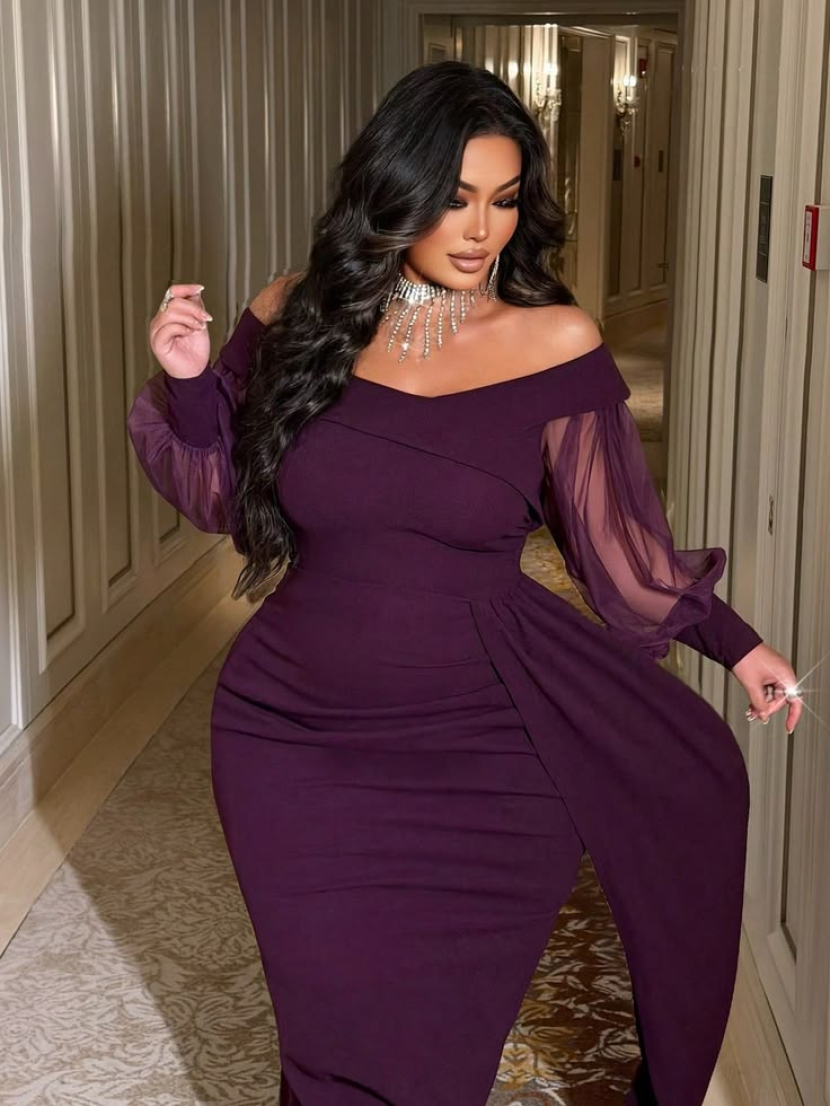
If you’ve ever dreamed of waking up with thick, flowing hair that looks effortlessly glamorous, you’ve likely considered hair extensions. Among the many methods available today—from clip-ins to tapes—the sew-in hair extension (commonly referred to as a "weave") remains a gold standard for durability and a natural finish.
What are Sew-In Hair Extensions?
Sew in hair extensions are a form of hair integration where hair wefts are literally sewn into your natural hair. This is typically done by braiding the natural hair into small, secure cornrows (the "base") and then using a needle and specialized thread to attach the extension wefts onto those braids.
Because the extensions are physically anchored to your hair, they are incredibly secure. You can swim, workout, and style your hair without the fear of a clip slipping or a piece of tape peeking through.
The Process: From Braid to Slay
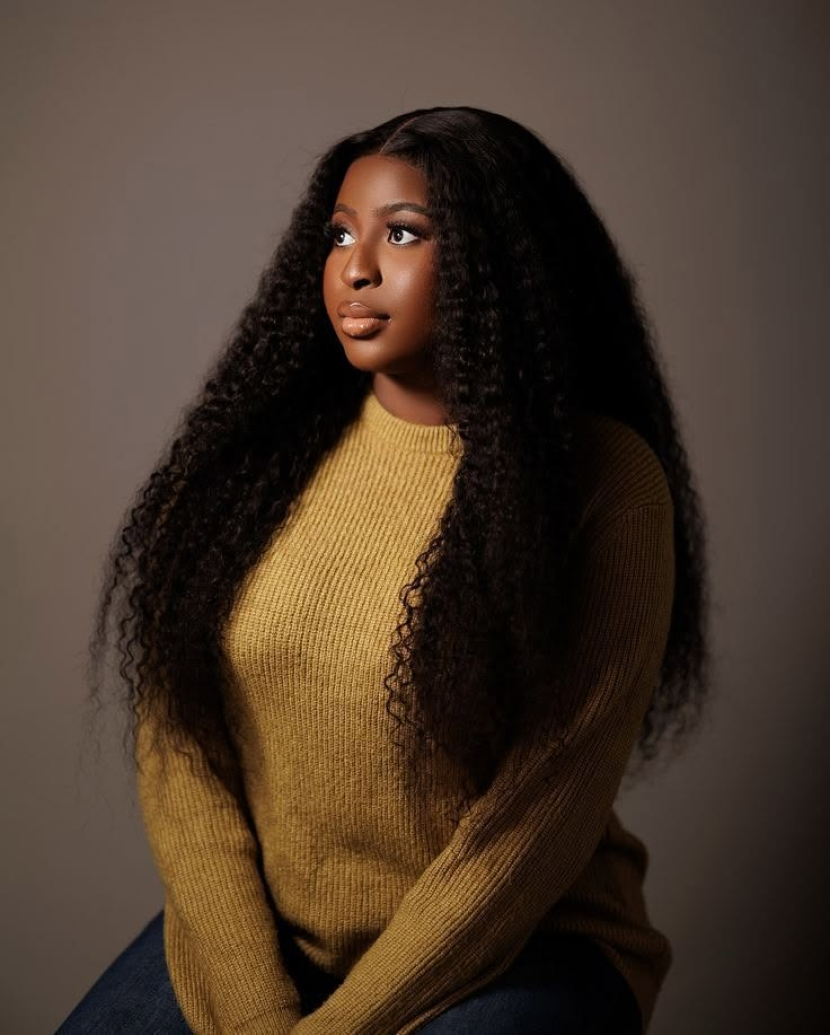
Getting a sew-in is a craft that requires patience and precision. Usually, the process follows these three main steps:
- The Foundation: Your stylist will wash, dry, and braid your natural hair. The braiding pattern is crucial; it determines how the extensions will lay and where your part will be.
- The Attachment: Using a curved needle, the stylist sews the wefts onto the cornrows. This ensures the weight of the extensions is evenly distributed across the braid.
- The Blend: Once the hair is attached, it’s cut and styled to blend seamlessly with your natural hair (or the "leave-out" at the top).
Pros and Cons of Sew-Ins
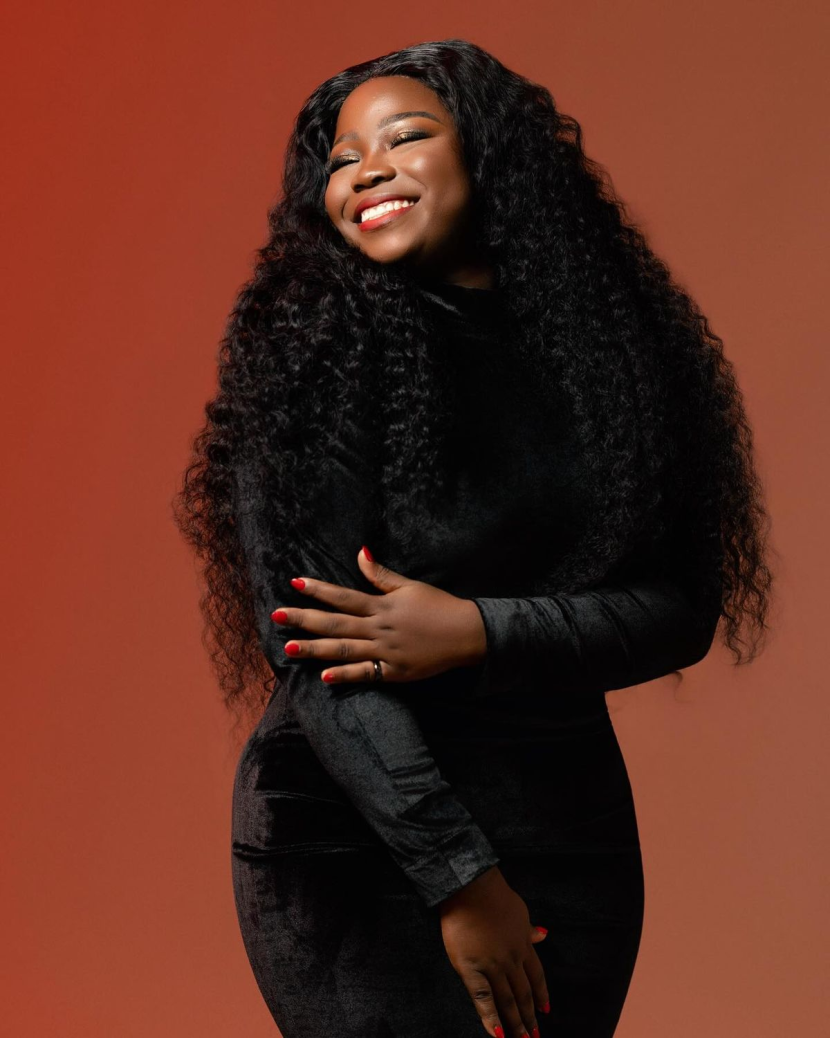
The Perks
- Longevity: A well-installed sew-in can last 6 to 8 weeks.
- Protection: Since your natural hair is tucked away in braids, it’s protected from heat styling and environmental damage, making this a popular "protective style."
- Versatility: You can significantly change your hair length, hair color ideas, or texture without chemically altering your own strands.
The Drawbacks
- Time Commitment: Expect to be in the stylist’s chair for 3 to 5 hours.
- Tension: If the braids are too tight, it can cause discomfort or even traction alopecia. Communication with your stylist is key!
- Scalp Access: Washing your actual scalp can be a bit trickier than usual.
Maintenance and Aftercare
To get the most out of your investment, you can't just "set it and forget it." Proper maintenance is the difference between a red-carpet look and a tangled mess.
- Washing: Use sulfate-free shampoos. Focus on the extensions, but ensure you rinse thoroughly to avoid soap buildup under the braids.
- Drying: This is the most important step. If your braids under the extensions stay damp, it can lead to scalp irritation or a "musty" smell. Use a hood dryer or a blow dryer on a cool setting to ensure the foundation is bone-dry.
- Night Routine: Never sleep on wet hair. Wrap your hair in a silk or soft scarf, or use a silk pillowcover to prevent friction and tangling.
FAQ: Your Sew-In Questions Answered
How much do sew-in extensions cost?
The cost varies wildly based on the quality of the hair (synthetic vs. human Remy hair) and the stylist's fee. Generally, expect to pay from $200 to $600 for the install, plus the cost of the hair bundles.
Do sew-ins hurt?
They shouldn't! You may feel some tightness or a slight headache for the first 24–48 hours as your scalp adjusts to the tension, but sharp pain is a sign that the braids are too tight.
Can I shampoo my hair with a sew-in?
Yes! You should wash it every 1–2 weeks. The key is focusing on the "tracks" and ensuring you dry the hair completely afterward.
Will it damage my natural hair?
Not if done correctly. Damage usually happens during the removal process or if the braids are kept in for too long (over 10 weeks). Professional installation and removal are highly recommended.
People Also Ask (AI Insights)
Is a sew-in better than a wig?
It depends on your lifestyle. A sew-in offers a "permanent" feel—you don't have to take it off at night, and it feels more like your own hair. Wigs offer more versatility (you can change your look daily) and give your scalp a break every evening.
What is a "leave-out"?
A leave-out is a small section of your natural hair left unbraided at the top or around the perimeter to cover the tracks of the extensions. This creates the most natural-looking part.
How many bundles do I need?
For a full look, most people use 2 to 3 bundles. If you are going for extreme length (over 22 inches), you might need 4 bundles to maintain thickness from roots to ends.
Can I reuse the hair?
If you invest in high-quality virgin human hair, you can reuse the bundles for multiple installs—sometimes lasting up to a year or more with proper care.
Disclaimer
Retizen adalah Blog Republika Netizen untuk menyampaikan gagasan, informasi, dan pemikiran terkait berbagai hal. Semua pengisi Blog Retizen atau Retizener bertanggung jawab penuh atas isi, foto, gambar, video, dan grafik yang dibuat dan dipublished di Blog Retizen. Retizener dalam menulis konten harus memenuhi kaidah dan hukum yang berlaku (UU Pers, UU ITE, dan KUHP). Konten yang ditulis juga harus memenuhi prinsip Jurnalistik meliputi faktual, valid, verifikasi, cek dan ricek serta kredibel.